Affordable Roof Repair Solutions in Madison
Dependable Roofing Company for Excellent Home Defense
Identifying a credible roofing contractor is a important selection for homeowners. A experienced professional affirms compliance with industry standards and reduces potential risks. The right contractor not only delivers customized solutions but also emphasizes strong communication and trustworthiness. This foundation creates a safe and well-protected home. However, the process of finding such a contractor involves more than just a quick search. Grasping the vital qualities and points can make all the difference.
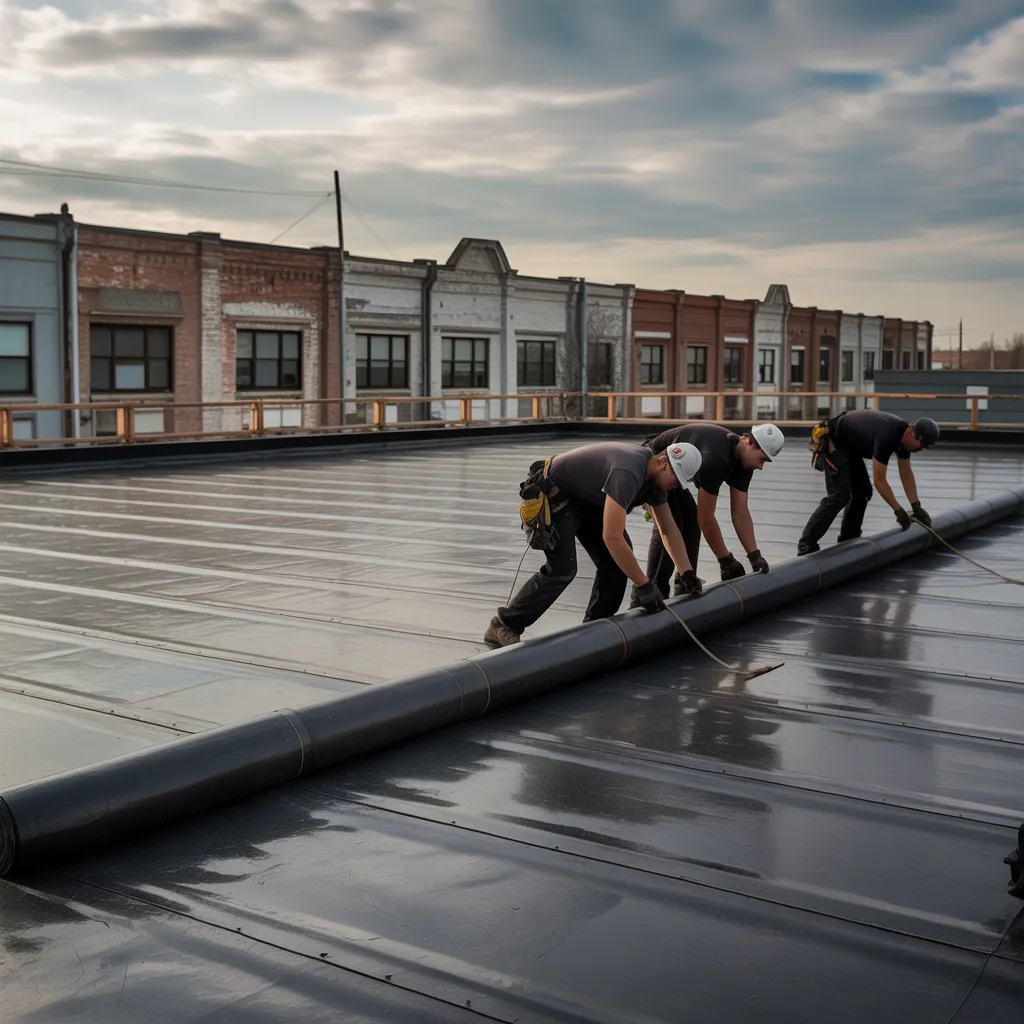
Why Selecting the Right Roofing Contractor Matters
How paramount is it to pick the suitable roofing contractor? The appointment of a roofing contractor greatly impacts the endurance and productivity of the roofing system. An poorly installed roof can trigger leaks, structural damage, and mounting energy costs, ultimately compromising the home's safety. A established contractor guarantees adherence with local building codes and uses high-quality materials, facilitating a durable and reliable roof. Additionally, experienced contractors provide valuable insights into the most effective roofing solutions adapted to specific needs, fortifying overall home protection. A poorly chosen contractor, conversely, may produce subpar workmanship and unforeseen expenses. This decision carries significant long-term consequences; accordingly, thorough examination and scrutiny are essential. Securing a trustworthy contractor not only secures the roof but also fosters peace of mind for homeowners, knowing their investment is safeguarded. Ultimately, opting for the right roofing contractor is foundational to preserving the integrity of the home.
Vital Aspects to Examine in Your Roofing Professional
Determining the right roofing professional calls for careful consideration of several attributes that guarantee a completed project. First, a trusted contractor should have valid licensing and insurance, ensuring adherence with local standards and protection against potential liabilities. Knowledge in the roofing industry is essential, as it shows a contractor's ability to address various challenges effectively.
Furthermore, effective interaction abilities are required; a reliable contractor gives clients ongoing information throughout the project, managing concerns without delay. Accountability is another core quality, establishing that the contractor can respect timelines and commitments.
Furthermore, a strong collection displaying past work can furnish insight into the contractor's skill and approach. Finally, favorable customer feedback and endorsements function as a reflection of their standing and quality of service. By examining these key characteristics, homeowners can take a well-informed choice when choosing a roofing professional to protect their homes successfully.
Key Roofing Materials: Types and Strengths
Roofing materials play an essential role in the durability and aesthetics of a home. Various varieties exist, each with specific advantages. Asphalt shingles are popular due to their affordability and ease of installation, making them suitable for many homeowners. Metal roofing, known for its extended lifespan and weather resistance, can be a greener option, often sending heat away to reduce energy costs.
Clay and concrete tiles deliver superior resilience and a timeless aesthetic, while slate roofing is highly regarded for its elegance and extended durability, although it comes at a higher price point.
Wood shakes provide a natural appearance, but they require more maintenance. Ultimately, engineered materials, such as rubber or polymer shingles, blend the benefits of time-honored materials while being lightweight and environmentally conscious. Selecting the right roofing material is important for maintaining both protection and visual attractiveness, finally enhancing the home's worth.
Analyzing Roofing Proposals: Details to Evaluate
When thinking about a new roof, evaluating estimates from contractors is a significant step in the decision-making process. Homeowners should pay attention to important considerations to guarantee they receive a fair and thorough proposal. First, it is essential to examine the project scope detailed in each estimate, covering materials, labor, and any extra work. Clear itemization aids in clarifying what is included.
Next, property owners should seek out guarantees on both materials and workmanship. A reliable contractor often provides a warranty that protects against flaws. Additionally, the timeline for project completion should be specified, as postponements can affect budget and planning.
At last, it's sensible to appraise the contractor's image through reviews and references, confirming they have a history of quality work. By attentively studying these elements, homeowners can determine the best course that best accommodate their needs and budget.
Why Authorizations and Security Are Required?
A solid foundation for any roof work depends on the contractor licensing and insurance. Certification ensures that the contractor has satisfied specific regulatory standards and industry requirements, showing a commitment to professionalism and quality. It acts as a safeguard for homeowners, suggesting that the contractor is capable to complete the required work.
Insurance, in contrast, shields both the contractor and the homeowner from potential liabilities. In the event of accidents or damages occur during the roofing process, insurance supplies coverage, assuring that financial burdens do not fall on the homeowner. Without proper insurance, a homeowner might face significant out-of-pocket expenses if something goes wrong.
Together, registration and coverage not only boost the contractor's trust but also offer assurance to homeowners. Partnering with a competent, licensed, and insured roofing contractor ultimately adds to the sustained protection and value of the home.
Key Questions for Your Roofing Contractor?
How can property owners guarantee they choose the right roof contractor? One practical method is to create a set of important inquiries to ask prospective contractors. Property owners should ask regarding the contractor's experience and previous work to assess their expertise. It's also vital to ask for testimonials and feedback from previous clients, which can offer valuable insights into the contractor's reliability.
Another vital concern relates to the materials and techniques the professional intends to employ, ensuring they adhere to sector benchmarks. Homeowners should also verify that the contractor is duly licensed and insured, providing protection from conceivable liabilities. In addition, discussing the work schedule and payment arrangements can help establish understood requirements. At last, homeowners should request information about warranties on both materials and workmanship, delivering peace of mind regarding quality and longevity. Through these specific questions, homeowners can reach educated conclusions, guaranteeing their roofing work is completed effectively and efficiently.
How a Premium Roof Increases to Your Home's Worth
Putting money into a premium roof not only protects a home but also significantly boosts its market value. A well-constructed roof operates as a protective barrier against the elements, lowering the risk of water damage and structural damage. Homebuyers often focus on the quality of the roof, as it directly impacts their potential maintenance costs.
Additionally, a visually appealing roof can elevate the general appearance of a property, rendering it more desirable to potential purchasers. Different roofing materials and designs can also affect property worth; high-quality materials such as slate or metal tend to yield better investment returns.
Additionally, a new roof can improve energy efficiency, resulting in reduced utility bills, which is an attractive feature for eco-conscious buyers. Ultimately, a quality roof not only provides peace of mind but also functions as a significant asset in increasing a home's value in a competitive real estate market.
Regularly Asked Questions
How long Does a Common Roofing Project Take to Finish?
A common roofing project normally takes between several days and one week to complete. Elements such as roof size, weather conditions, and material type can determine the overall duration of the task substantially.
What Types of Protection Plans Exist for Roof Work?
Numerous types of warranties for roofing services exist, including manufacturer warranties covering materials supporting information and labor guarantees from contractors. These warranties commonly range from a few years to several decades, based on the materials used and the contractor's policies.
What Steps Should I Follow to Care for My Roof Following Installation?
A roof needs upkeep following installation, including frequent assessments, clearing debris, cleaning gutters, and quickly addressing any damage. Additionally, professionals recommend periodic maintenance checks to guarantee longevity and peak performance.
What Should I Take Action if My Roof Has Water Damage?
If a roof is damaged with leaks, the homeowner should identify the source of the leak, restrict any water damage, and contact a tradesperson for work. Swift action prevents prolonged deterioration and preserves the roof integrity.
Can You install a additional Roof Over an present One?
Yes, putting a new roof over an existing one is feasible, given that the current roof is in good condition and local building codes sanction it. This technique can spare time and minimize costs notably.